







Clotet’s Critics’ Week title delivers a controlled study of illness, impulse and the fear of time running out

Dir: Aina Clotet. Spain. 2026. 113mins
A 40-year-old Catalan woman wants nothing more than to feel extremely alive in this appropriately – but somewhat obviously – titled character study. The directorial debut from actor-turned-filmmaker Aina Clotet, Alive centres on Nora (played by Clotet) who has a second major health scare during a drought that points to a broader climate crisis. While the protagonist’s emotional life is jagged and frayed, the film itself is more controlled, yet still convincingly lived-in.
A vanity-free and finely calibrated portrayal of a woman in freefall
It’s a title that should draw attention on the festival circuit following its Cannes Critics’ Week premiere, particularly among buyers tracking first features and female-driven stories.
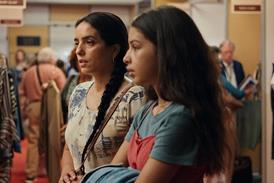
Nora works at a research facility in the field of cellular aging, and is in a committed relationship with her long-term partner Tom (Naby Dakhli). Her job, which looks into how people can live longer, contrasts neatly, if somewhat bluntly, with her fear of death, which stems from a recent mastectomy and a suggested new test that might reveal she has issues with her remaining breast. Unable to cope with this new, devastating prospect, Nora does not schedule the necessary procedure and instead plunges into life as though her time is running out. This includes removing any barriers to the advances of Max (Marc Soler), an insistent younger admirer who hasn’t been shy about letting Nora know he’s attracted to her.
Clotet not only stars and directs but also co-wrote the screenplay with Catalan screenwriter Valentina Viso (Mexico 86), and their protagonist becomes increasingly erratic in the wake of her destabilising check-up. Clotet and Viso allow viewers to get ahead of Nora emotionally without draining the material of tension, though the narrative remains relatively contained, with fewer surprises than its set-up might suggest.
As a performer, Clotet, who has been acting since she was 11, offers a vanity-free and finely calibrated portrayal of a woman in freefall. This sense of authenticity in turn helps ground the proceedings in a recognisable reality, even if the persistent drought (and underlying climate unease) suggest this story might be set in the near future instead of today. By pairing climate anxiety with Nora’s own, the film cleverly sharpens her impulsive, there’s-no-time-left behaviour. That said, Laura Santos’ deliberately muted production design isn’t interested in guesswork about what the near future might look like, beyond the consequences of water scarcity.
In terms of the rest of the cast, the earthy Dakhli has less to do in the more boring responsible-adult role, while the twinkly-eyed Soler steals the show. The young actor makes Nora’s irrational attraction to him believable, even if his character remains too volatile to suggest long-term stability. Nora credibly finds herself between these two poles, and has to figure out where her heart and her brain finally want to be. It’s a tad schematic as a set-up but Soler and Clotet’s performances add some much-needed nuance.
Production companies: Ikiru Films, Funicular Films
International sales: Loco Films international@loco-films.com
Producers: Edmon Roch, Marta Baldó, Aina Clotet, Marc Clotet, Jan Andreu
Screenplay: Aina Clotet, Valentina Viso
Cinematography: Nilo Zimmermann
Production design: Laura Santos
Editing: Aina Calleja
Music: Clara Aguilar
Main cast: Aina Clotet, Naby Dakhli, Marc Soler, Willy Toledo, Lloll Bertrán