



Chabname Zariab’s impressive debut premieres in Tallin’s First Feature competition
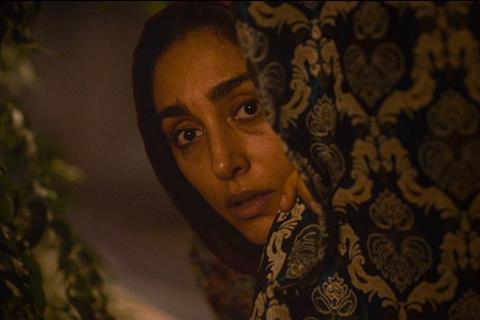
Dir. Chabname Zariab. France/Germany/Belgium. 2026. 83mins
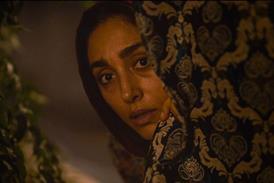
Kabul, 2021. The recently widowed Leila (Golshifteh Farahani) arrives in the city with just her grief and a few bags of possessions. She finds a job cooking in the kitchen of a busy venue – a place, she soon learns to her horror, which is a Bacha Bazi house (where trafficked teenage and young boys are forced to dance, and worse, for groups of rowdy men). Appalled, she decides to act. But the Taliban is sweeping back into power; it’s a matter of days before they reach the capital. Chabname Zariab’s nail-biting thriller combines propulsive storytelling with a stark account of the lives of Afghan women in the final moments before their rights and opportunities were stolen once again.
Taut, atmospheric storytelling
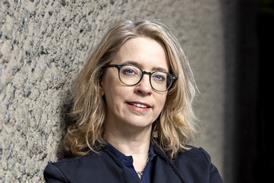
It’s an impressive and assured first feature from French-Afghan writer and director Chabname Zariab, who left Afghanistan for France with her family when she was seven. Zariab published her first novel, The Afghan PIanist, in 2011 before pivoting to filmmaking. Her debut short film, When You Hear the Bells (2016) also dealt with the phenomenon of Bacha Bazi (which literally translates as ’playing with boys’) and was nominated for a César.
Zariab’s debut is taut, atmospheric storytelling which benefits from a compelling central performance from Farahani, whose name, as well as her magnetic screen presence, should help to raise the picture’s profile following its world premiere in Tallin’s First Feature competition. The film will subsequently compete in Torino, and further festival exposure is likely.
Zariab’s astute use of her locations – the film was shot in Casablanca, doubling for Kabul – vividly brings to life a city which is poised on the brink of a brutal societal change. The teeming streets are run-down and battle-scarred, but small businesses, like the beauty parlour where Leila gets a glam, Kabul-style makeover, are thriving. Even so, there’s a wariness in the way that Leila carries herself. We sense a mental risk calculation with each new encounter with strangers in this unfamiliar city.
Thanks to her husband’s connection, a woman from his childhood village, Leila has a place to stay; a modest room rented by a landlord who seems kind enough to understand her strained financial situation. The job comes soon afterwards, and with it, a friendship with one of the other women who confides in Leila, sharing her plans to pay a people smuggler to help her escape to Iran. But the score – staccato stabs of plucked strings – sounds an alarm as Leila arrives at her new place of work for the first time.
The Taliban might not yet be back in control, but the divisions and power disparities between men and women are deeply entrenched. Zariab uses curtains, drapes and even Leila’s own burka as a symbolic barrier between her character and the threat posed by the men she works for. Forced to serve food to the punters of the Bacha Bazi house, Leila finds herself terrifyingly vulnerable, her protective layers and distance stripped away. It’s there that she forms a connection with one of the teenage dancers, Tamim (Mojtaba Ahmadi), who intervenes when a man harasses her and pays heavily for his small act of rebellion.
This is a lean, urgent film which incrementally builds tension as the net starts to tighten around Leila. If there’s any criticism, it’s that perhaps we could have benefited from slightly more of it. There is scope for a few more scenes to flesh out certain elements. The character of local restaurant owner Milad (Rohed Khan), who plays a pivotal role at the film’s climax, could have been developed further. And the brisk, breathless third act is a little abrupt in its conclusion – presumably because, with its churning, disorientating crowd scenes and a pedal-to-the-metal car dash through the city, this was the most expensive part of the shoot. Still, this gripping picture announces a considerable talent in Zariab.
Production companies: Alta Rocca Films
International sales: Le Pacte r.rancurel@le-pacte.com
Producers: Jean-Etienne Brat, Lou Chicoteau
Screenplay: Chabname Zariab, Parande Zariab
Cinematography: Pierre Cottereau
Production design: Franck Muller
Editing: Xavier Sirven, Héloïse Pelloquet, Julie Duclaux
Music: Maxence Dussère
Main cast: Golshifteh Farahani, Mojtaba Ahmadi, Fatima Tawakkuli, Rohed Khan, Aziz Hamrah, Forouzan Jamshidnejad, Sayed Hashimi