












The film premieres at Visions du Reel before heading to Hot Docs
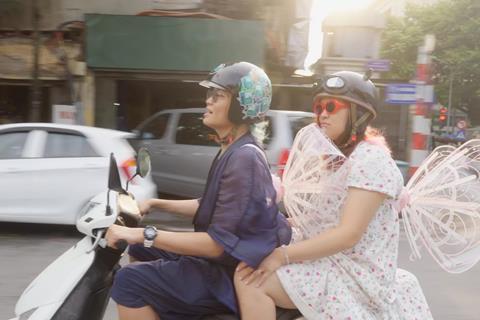
Dir: Nông Nhật Quang. Vietnam/South Korea. 2026. 105mins
What does a contemporary Vietnamese family look like? That’s the central question in Nông Nhật Quang’s Baby Jackfruit Baby Guava, a seemingly soapy documentary chronicle of a domineering mother, a mentally ill daughter and a son’s coming out. But scratch the surface and it becomes clear that Nông has constructed an intimate portrait and historical record of the evolution of a single family – his. The DIY approach works in his favour, giving the film a frankness that anyone wrestling with difficult family histories will recognise.
Patient and graceful in the awkward moments
Director Nông is a fast-emerging voice on Vietnam’s queer cinema scene, having made a name for himself with 2019’s Our Queer History, produced for Asia’s largest LGBTQ-centred streamer GagaOOLala, as well as a series of short films exploring LGBTQ+ Vietnam, among those Search (2017) and An Invisible Marriage (2024). Similarly, Baby Jackfruit Baby Guava, which premieres in Visions du Reel’s Burning Lights competition before heading to Hot Docs, is current in its subject matter, and universal in the emotions it trades in.
As both director and cinematographer (and, in many ways, the film’s subject), Nông excavates and deconstructs the unspoken pain and simmering resentments that have the capacity to upset the peace within a family. That brutal honesty, together with its warm, welcoming tone, should help it find a home beyond documentary-focused events. Broad spectrum, LGBTQ+ and Asia-focused festivals and niche distributors could take interest, and Nông’s intimate, unfussy visuals should make the film a good fit for streamers down the line.
Nông spent seven years combing through family archives and photos, personal journals and recorded phone calls, ultimately weaving a tapestry that reveals his family in all its iterations. Nông begins with recollections of his youth in the Bac Ha district of northeastern Lao Cai, near the Chinese border. We’re introduced to his older sister (by nine years) Ngoc Mai, a gregarious young woman that taught Nông about cool music and hip fashion. In muted, thoughtful narration, Nông remembers how he idolised her until an unexpected and unexplainable distance grew between them.
He eventually put a physical distance between them by moving to Hanoi, becoming comfortable in his own skin as a gay man and finding a family of his choosing. Years later, when Nông is 23 and Mai is 32, she and her husband Duc Anh have a baby who quickly gets nicknamed Baby Guava. That event brings Mai’s obvious mental health struggle into sharp relief. Looming large over all their lives is Nông’s easy-going father Khanh and more hands-on matriarch Cuc, a traditional Vietnamese mother forced to reckon with a neurodivergent daughter and a gay son.
The strength in Baby Jackfruit Baby Guava comes from what Nông chooses not to reveal, allowing the family’s story to unfold organically. He never feels the urge to be explicit and allows the gaps to fill themselves in, particularly as they relate to Mai’s mental health diagnosis, Cuc’s co-opting of Baby Guava and lingering misconceptions of the LGBTQ+ community. It’s a delicate balance to strike, but Nông effortlessly illuminates the family’s fears, frustrations and missteps without ever sitting in judgement of them.
In any other hands the open-ended nature of the film would make it feel unfinished, but Nông has made something of a work-in-progress – of his family as in ongoing evolution – that’s refreshing and resonant thanks to the generosity of its maker. While many family portraits and documentaries rely on tragedy and quiet outrage for dramatic momentum. Nông is patient and graceful in the awkward moments and never pretends joy doesn’t exist. He finds gentle humour in his need to code-switch his flat for Cuc’s visit – “cleaning up the apartment to get rid of the gayness” – and in describing her reaction to his American partner Leland: “Gay, foreigner, different race, also old. Quadruple kill.”
Production companies: Flaneur Films, Seesaw Pictures
International sales: Luminalia, tommaso@luminaliafilm.com
Producers: Trang Đào, Sarah Kang, Heejung Oh
Cinematography: Nông Nhật Quang, Thảo Hoàng, Kim Chu-nam
Editor: Hankyeol Lee, Linh Dn
Music: Xinh Xô