













Ross McClean’s observational film should attract attention following its Visions du Reel premiere
Dir: Ross McClean. UK/Ireland/US. 2026. 73mins
Is it ever possible to break free from the shackles of the past? Magilligan follows Northern Ireland convicted criminal Ryan Craig and his determination to make a fresh start following his release from prison. His family history, sectarian divisions within the community and ongoing addiction issues provide powerful obstacles to change. Ross McClean’s empathetic, carefully-observed debut feature paints a poignant picture of Craig and the challenges he faces, and world premiere in Visions du Reel’s international compeition should spark further festival appearances and strong interest from documentary channels.
Doesn’t sugar coat Craig’s past or dangle false hope about his future
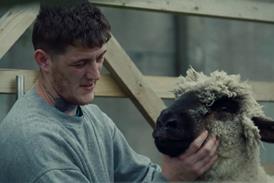
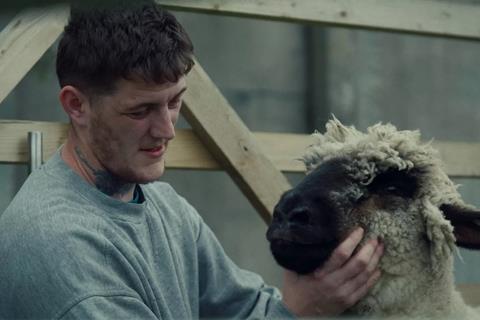
McClean first met Craig when filming in a young offenders institution for his award-winning short Hydebank (2019). The 21-year-old was then at the start of a 10-year sentence at HMP Magilligan in County Londonderry, which provides the title for McClean’s first feature as he continues to follow Craig’s story. We first see Craig working on a prison farm, caring for a small flock of sheep and showing a genuine tenderness and concern for the welfare of the animals. He almost seems like a ‘sheep whisperer’ as the animals respond to him with affection. His stern, haunted features relax into a rare smile. We subsequently discover that this is one of the few places where he feels at ease and able to be himself.
McClean effectively captures Craig’s sense of confinement. His camera passes through locked doors and along narrow corridors to reach cramped cells with little privacy; along the way, human figures are dwarfed by high fences and deterred by barbed wire. Yet there is also a structure to life in prison, and a feeling of community. Craig is a taciturn, silent witness to older cellmates recalling past adventures and people who are now mostly dead, while lingering shots of prison walls and nearby fields help convey a sense of the pace of life in prison. There is endless time for reflection, and Craig is repeatedly shown smoking and thinking. Framed in shadow or gloom, he has the haunted look of a doomed protagonist in a classic film noir.
Craig has served five years of his sentence, and his daily routine includes calls to his ‘mammy’ and spells waiting for the latest judgement on his eligibility for parole. We learn of his violent past, the nature of his crimes and the influence of an alcoholic father who taught him to always stand up for himself and never back down. Many members of his family have spent time in prison, and Craig reflects, “jail must be in my DNA.” There is also the impact on him of a community steeped in Orange marches, the demand for loyalty and the punishment for betrayal.
When Craig is granted parole, he seems ill-prepared for a world that feels acutely intimidating to someone who has no home of his own, no job and a drug addiction. Craig goes from being in jail to be welcomed home as Uncle Ryan, from following a routine to being totally adrift. McClean makes us consider whether Craig stands any kind of a chance outside. His mother wonders if he will ever find peace of mind.
Magilligan doesn’t sugar coat Craig’s past or dangle false hope about his future. Farming could provide his salvation and the spells of work during lambing season are a bright spot in a dark existence. There is a stark contrast with scenes in a city centre where Craig watches the world go by, isolated and vulnerable as he is surrounded by people going about their business. It is a sobering conclusion to a sensitive, deeply felt human interest story.
Production companies: Here And Elsewhere Films, Nightstaff, Little Rose Films
International sales: Bronte Stahl. brontestahl@gmail.com
Producers: Ross McClean, Bronte Stahl
Cinematography: Ross McClean
Editing: Dragos Apetrie, Ross McClean
Music: Irene Buckley





No comments yet